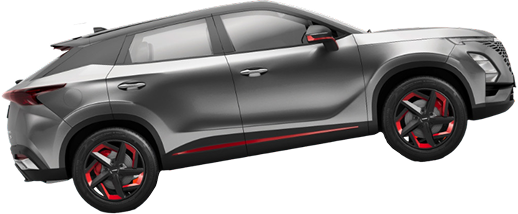

Choosing the right car starts with understanding your needs. Think about your daily driving habits, family size, and lifestyle. If you mainly drive in the city, a compact car may be ideal. For families, SUVs or larger vehicles offer more space and comfort.
Budget is another key factor. Consider not just the purchase price, but also fuel costs, insurance, road tax, and maintenance. A slightly more expensive car with better fuel efficiency may save money in the long run.
Both new and used cars have their advantages. New cars come with the latest features, warranties, and no previous wear and tear. However, they are more expensive and lose value quickly.
Used cars, on the other hand, are more affordable and often provide better value. You can find well-maintained vehicles at a lower price. Always check the service history, mileage, and overall condition before making a purchase.
Before buying any car, it is important to inspect it carefully. Look for signs of damage, rust, or wear and tear. Check the tyres, brakes, engine condition, and interior features.
A test drive is essential. It helps you understand how the car performs on the road. Pay attention to unusual noises, steering response, and braking performance. If possible, get a professional inspection for added peace of mind.
Many buyers in the UK choose financing options to purchase a car. These include personal loans, hire purchase (HP), and personal contract purchase (PCP). Each option has its pros and cons.
Make sure you compare interest rates, monthly payments, and total repayment costs. Always choose a plan that fits your budget comfortably without causing financial stress.
Selling your car can be simple if done correctly. Start by cleaning your car thoroughly and fixing minor issues. First impressions matter and can increase the value of your vehicle.
Take clear, high-quality photos from different angles. Write an honest and detailed description, including mileage, condition, and service history. Pricing your car competitively will attract more potential buyers.
Research the market before setting a price. Compare similar cars in your area to understand their value. Avoid overpricing, as it may discourage buyers, but do not undervalue your car either.
Being transparent about the condition of your car builds trust with buyers. Respond quickly to inquiries and be prepared to negotiate reasonably.
Choosing the right car starts with understanding your needs. Think about your daily driving habits, family size, and lifestyle. If you mainly drive in the city, a compact car may be ideal. For families, SUVs or larger vehicles offer more space and comfort.
Monitor oil levels, tyre pressure, brakes, and battery health. Addressing small issues early can prevent costly repairs later. Keeping your car well-maintained also improves its resale value.
Owning a car involves ongoing costs beyond the purchase price. These include fuel, insurance, servicing, MOT, and road tax. Understanding these expenses helps you manage your budget effectively.
Fuel-efficient cars and low-emission vehicles can reduce long-term costs. Always factor in these expenses when choosing a car.

The automotive market is constantly changing, with new models, technologies, and pricing trends. Staying informed helps you make smarter decisions whether you are buying or selling.
Keep an eye on fuel trends, electric vehicle growth, and government policies that may impact car ownership in the UK.

Small, fuel-efficient cars with low insurance costs are ideal for first-time buyers. They are affordable, easy to drive, and economical to maintain.
It depends on your budget and preferences. New cars offer modern features and warranties, while used cars provide better value and lower upfront costs.
You can use vehicle history check services in the UK to verify ownership, accident history, mileage, and outstanding finance.
You will need identification, proof of address, insurance, and the vehicle registration document (V5C) when purchasing a car.
Clean your car, take quality photos, write a clear description, and price it competitively. Responding quickly to buyers also helps speed up the process.
Most cars should be serviced once a year or after a certain mileage, depending on the manufacturer’s recommendations.
Mileage, condition, service history, brand reputation, and market demand all play a role in determining a car’s resale value.
Enter your reg and mileage, get an instant cash offer, and choose a dealer to pick it up.
Funds sent fast, paperwork handled for you. No haggling, no wasted time.
Become part of a growing community where buying and selling cars is simple, fast, and reliable, giving you access to trusted listings and genuine buyers across the platform.
Copyright © 2026 Auto For Trade. All Rights Reserved.
 To More Inquiry: